
Good design plays an important role in achieving high-quality printing. A well-prepared design ensures that the final printed product looks clear, attractive, and professional. When design elements are properly arranged, the printing process becomes smoother and the result is more effective.
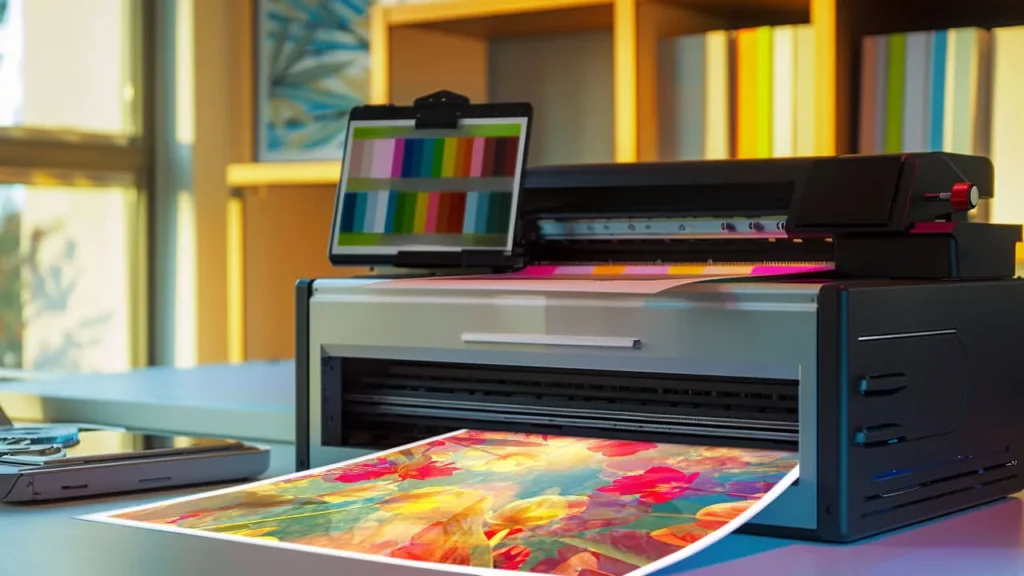
One important factor is image resolution. High-resolution images produce sharp and clear prints, while low-resolution images appear blurry or pixelated. Designers should always use high-quality images to maintain the best print results.
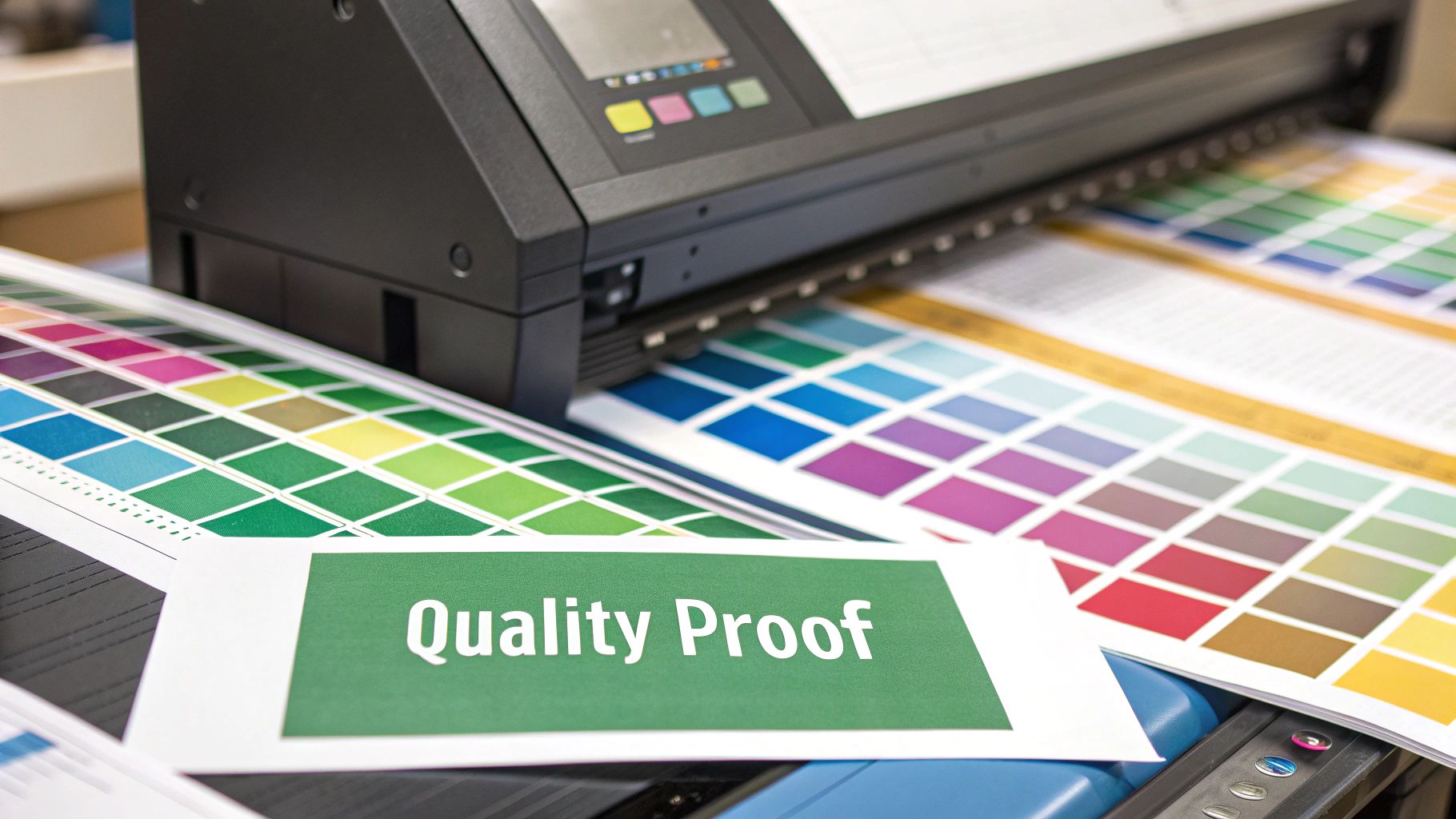
Another key element is color selection. Printing uses the CMYK color mode, which is different from the RGB colors used on screens. Designing with the correct color mode helps ensure that the printed colors match the intended design.
Typography and layout also affect print quality. Clear fonts, proper spacing, and balanced alignment make the printed material easy to read and visually appealing. A clean layout helps the message stand out and improves the overall presentation.
Finally, proper file preparation such as adding bleed, margins, and correct file formats ensures accurate printing without cutting errors or missing edges.
In summary, good design improves print quality by ensuring sharp images, accurate colors, clear text, and proper layout. When design is done correctly, the final printed product looks professional and communicates the message effectively.
StanPrint @2026 | All Rights Reserved.